


Fenland district is the part of Cambridgeshire most people only see through a car window on the A47 or the A141. Its four market towns grew up on low islands of clay and gravel, and each one feels different: Wisbech is a Georgian port town, March is a railway town on the old course of the Nene, Whittlesey sits on the edge of the brick pits east of Peterborough, and Chatteris is a small farming town in the middle of the black fen.
This guide picks fifteen things to do across the four towns and the washes between them: museums, churches, two RSPB reserves, a walk, three pubs and the winter events that bring the towns out onto their streets. Everything was checked in early November 2026, and where opening days conflict or a building is on the at-risk register, we say so.
Details were accurate at the time of research in November 2026. Many Fenland venues rely on volunteers, and opening days change with the seasons, so please check each venue’s own website before you travel.
Wisbech
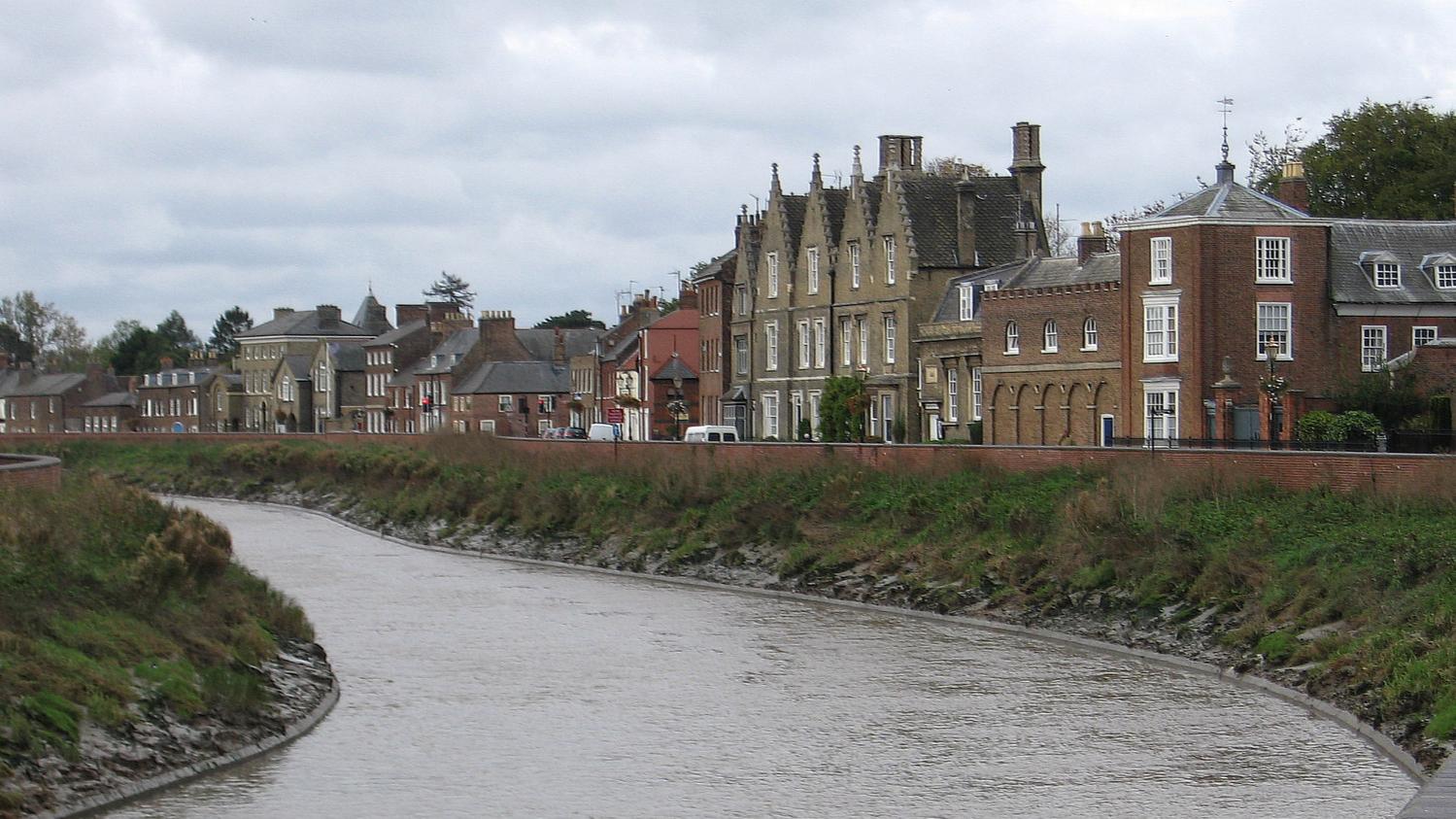
Wisbech calls itself the Capital of the Fens, and the money its merchants made from the tidal Nene still shows in the houses along the river. The town council runs a market on the Market Place every day, and the free district council car parks at Chapel Road, Somers Road and Church Terrace put you within a few minutes’ walk of everything below. There is no railway station, so come by car or by bus from Peterborough or King’s Lynn.
North Brink, South Brink and the Crescent: A Georgian Wisbech Walk
Outdoor activity
- A self-guided town walk of about 2.1 miles, taking around an hour, along both banks of the tidal River Nene and through the Georgian streets around Wisbech Castle
- The Walking Englishman route starts at the parish church of St Peter and St Paul in the town centre and is graded easy, with almost no climbing
- North Brink was described by the architectural historian Nikolaus Pevsner as one of the finest Georgian brick streets in England
- South Brink, across the river, includes the birthplace of the housing reformer Octavia Hill and the Old Grammar School
- The Crescent was laid out by the local builder Joseph Medworth in the early 19th century around the Castle, the Regency villa he built for himself in 1816
- The Castle stands on the site of a Norman castle and a 1658 mansion built for John Thurloe, Cromwell’s secretary of state, and the old gate piers survive
- The Castle is owned by Wisbech Town Council and is mainly used for weddings and private hire, so treat it as a building to see from outside
- The Wisbech Merchants Trail adds 17 numbered brass plaques set into the pavement, starting at the Clarkson Memorial and finishing at the Friends’ Meeting House, though the trail booklet and app date from its 2019 relaunch
- The walk is on pavements and riverside paths, so it suits pushchairs, and the free Chapel Road car park sits close to the start
Start point: St Peter and St Paul’s Church, Wisbech town centre (park at Chapel Road car park, PE13 1RG)
Distance: About 2.1 miles (3.4km) circular
Maps: OS Explorer 235 (Wisbech and Peterborough North)
Website: walkingenglishman.com and highstreetwisbech.org.uk (Merchants Trail)
Flood note: The Nene is tidal here and the town relies on raised banks and flood walls; in December 2013 a tidal surge rose halfway up the new walls on North Brink
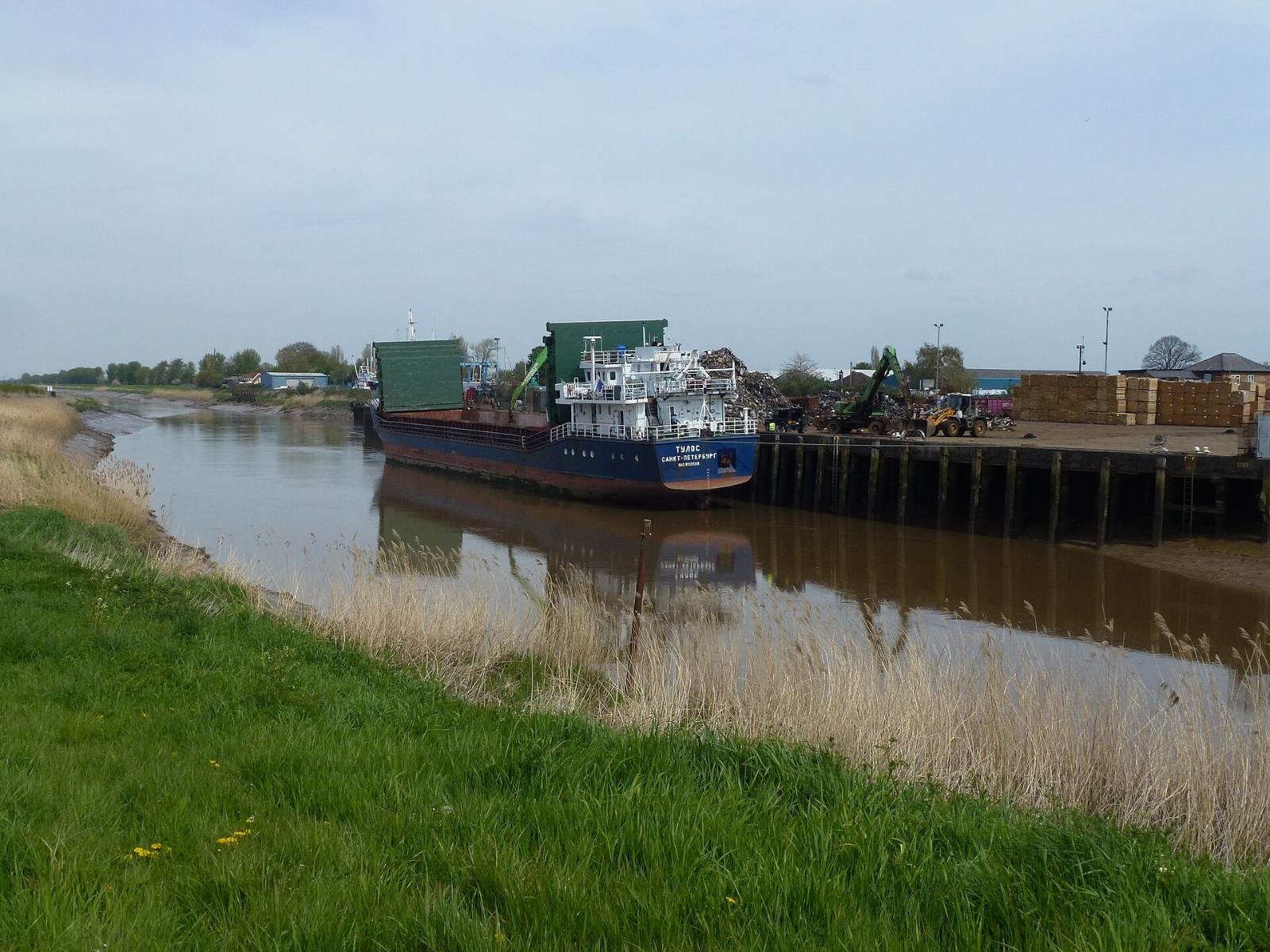
Wisbech is best understood on foot. The two Brinks face each other across a river that rises and falls with the tide, and walking one side and back along the other gives you two different views of the same row of merchants’ houses. The town’s wealth came from shipping grain and other cargo through the port, and cargo boats were still being loaded at the quays downstream in recent years. The Crescent and the Castle feel more like a cathedral close than a Fen town, which surprises most first-time visitors. Do the loop before visiting Peckover House or the museum, as both sit on the route.
Peckover House and Garden
Indoor and outdoor
- A National Trust Georgian townhouse on North Brink built in 1722, home to the Quaker Peckover banking family for around 150 years
- In the open season the house opens Friday to Sunday and bank holiday Mondays from 11:30am to 3:30pm, and the garden opens Monday and Thursday to Sunday from 10:30am to 4pm
- The National Trust’s calendar showed the site closed in early November 2026, and no reopening date for the 2027 season had been published, so check before a winter trip
- Christmas time at Peckover House runs from 5 to 13 December 2026, with the house open from noon to 3pm on event days
- The garden is free all year, and house tickets for non-members are £10 for adults, £5 for children aged 5 to 17 and £25 for a family, with National Trust members free
- The two acre Victorian walled garden has orange trees believed to be more than 300 years old, and the house holds a Cabinet of Curiosities from the family’s travels
- A Changing Places toilet opened in the Reed Barn in 2025, and wheelchair users can now reach the ground floor of the house, though there is no step-free entrance and the stair climber should be booked ahead
- Only assistance dogs are allowed, and the nearest parking is the free Chapel Road town car park, about 270 yards away
Address: North Brink, Wisbech (sat nav for Chapel Road car park PE13 1RG)
Website: nationaltrust.org.uk/visit/cambridgeshire/peckover-house-and-garden
Phone: 01945 582871
How to book: No booking needed for general visits; pay at the house or show National Trust membership
Peckover is plainer inside than most National Trust houses, which suits a Quaker family who made their money in banking rather than land. The surprise is out the back, where the walled garden opens into glasshouses, summer houses and those very old orange trees. Tea and cake are served in the 17th century thatched Reed Barn, and there is a second-hand bookshop and plant stall beside it. More than 20,000 people visited in 2024, which by Trust standards is quiet, so even a summer Saturday rarely feels crowded. The December Christmas days are the only chance to see inside before the spring reopening.
Octavia Hill’s Birthplace House
Indoor activity
- The Georgian house on South Brink where Octavia Hill, the housing reformer and one of the founders of the National Trust, was born
- The house’s own website was showing it open on Thursdays, Fridays and Saturdays from 11:30am to 4pm in November 2026
- The museum spreads across three buildings and four floors, with displays on her work in London slum housing, open spaces and social work
- The Long Room looks out across North Brink and the tidal Nene, and a short virtual reality tour shows the ground floor for visitors who cannot manage the stairs
- There is a tea room and a courtyard garden, with Centenary Green, a small public open space, beside the house
- Access is partial for wheelchair users, there are accessible toilets, and assistance dogs are welcome
Address: 7 and 8 South Brink, Wisbech
Website: octaviahill.org
How to book: No booking needed on open days; contact the house through its website about group visits
Most people who join the National Trust have never heard of the woman who helped found it, and this volunteer-run house sets that right. Octavia Hill grew up here before moving to London, where she managed homes for poor families and campaigned to keep green spaces open for the public. The displays are warm and personal rather than glossy, and the volunteers know her story well. Sitting in the Long Room, looking across the water at Peckover, you get a good sense of how close these two Wisbech families were. Combine the two on a Friday or Saturday when both are open.
Wisbech and Fenland Museum
Indoor activity
- One of the oldest purpose-built museums in Britain, opened in 1847 on Museum Square, with Victorian cases and a library still largely in place
- The museum opens Wednesday to Saturday from 10am to 4pm, with last admission at 3:45pm
- Charles Dickens’s original manuscript of Great Expectations is back in Wisbech after a ten month loan to galleries in Busan and Shanghai, and the museum invited visitors to view it from August 2026
- Current displays include 100 Years of Wisbech Town FC and The Fen-Lands, and a 2026 exhibition traces the trading history of a single Wisbech street
- An online exhibition tells the story of Turkey Smart, the Welney farm labourer who became champion Fen skater in 1854
- An annual pass costs £5, and some events carry a separate charge
- There is a level entrance and a lift to most galleries, but no café, so plan lunch elsewhere
- The museum’s collections enquiry service is paused until March 2027, although the galleries remain open
Address: Museum Square, Wisbech PE13 1ES
Website: wisbechmuseum.org.uk
How to book: No booking needed for general visits; manuscript viewings are arranged through the museum
Wisbech Museum feels like a building the 20th century forgot to update, and that is a compliment. The cases are wooden, the labels are old, and the library smells of leather bindings. Great Expectations is the famous treasure, but the Fen skating story is the one that sticks: the first recorded race was run in 1763 between Wisbech and Whittlesey, and champions like Turkey Smart were labourers who dug drains in summer and raced for prize money on frozen washes in winter. The museum has been through funding troubles in recent years and relies on support from the town, so a visit and a donation both help. Peckover and the Brinks are both close by.
Wisbech Christmas Fayre
Outdoor activity
- The town’s biggest winter event, held on the second Sunday of December across the Market Place, High Street and the Crescent
- Fenland District Council lists the 2026 fayre for Sunday 13 December 2026 from 10am to 3pm
- Stalls sell gifts and seasonal food, with live music and dance, children’s attractions and family activities, many of them free
- The route also takes in the library, the museum and the Horsefair Shopping Centre, and Santa usually makes an appearance
- Central roads are closed to traffic and parking from 5am to 7pm, and vehicles left on them may be towed
- The free council car parks at Chapel Road, Somers Road and Church Terrace are the closest places to park, and the council encourages visitors to walk, cycle or take the bus
- Road closure updates are posted on Cambridgeshire County Council’s roadworks and traffic pages ahead of the event
Where: Wisbech town centre: Market Place, High Street and the Crescent
Website: fenland.gov.uk/wisbechchristmasfayre
How to book: No booking needed; free to attend
The Christmas Fayre is the one day of the year when the whole of Wisbech seems to be in the town centre at once. The Crescent, curving round the Castle gardens, makes a handsome setting for stalls, and the museum usually joins in with its own festive opening. It finishes at 3pm, which in mid December means you will be heading home as the light goes. Arrive by mid morning if you want a space in Chapel Road.
The Elm Tree Inn, Elm
Indoor activity
- A village freehouse in Elm, a couple of miles south of Wisbech, that describes its cooking as farm to fork
- Lunch is served Monday to Friday from noon to 2:30pm, Saturday from noon to 3pm and Sunday from noon to 7pm
- Dinner runs Monday to Saturday from 5pm to 8:45pm, and there is no Sunday evening service after 7pm
- Diners on OpenTable rated it 4.6 out of 5 from 208 reviews, with new reviews posted in September, October and early November 2026
- The pub received the top food hygiene rating of 5 after an inspection on 3 February 2026
- The inn also has rooms listed on travel booking sites, which makes it a base for a Wisbech weekend
- Tables can be booked online through OpenTable, and evenings were taking bookings on the day we checked
Address: Low Road, Elm, Wisbech PE14 0DD
Website: opentable.co.uk (search The Elm Tree Inn)
Phone: 01945 587009
How to book: Online through OpenTable or by phone
The Rose and Crown hotel in Wisbech town centre closed in 2022, so for a sit-down pub meal it is worth heading out to the villages, and the Elm Tree is the best reviewed option close to town. Recent reviewers mention friendly service and well presented plates rather than anything fussy. Elm itself is a long, straggling fen village, and the drive in along Low Road gives a good idea of the flat farmland around Wisbech. Booking ahead is sensible for Sunday lunch. It pairs well with a morning at Peckover or the museum.
March and the Ouse Washes
March grew up around a bend in the old course of the River Nene and became a major railway town, with the Whitemoor marshalling yards on its northern edge. The Market Place hosts markets on Wednesdays and Saturdays, and the free City Road car park is the one to use when the Market Place car park is closed for stalls. South of the town, the Ouse Washes stretch away towards Manea and Welney.
St Wendreda’s Church
Indoor activity
- A medieval parish church on the south side of March, famous for its double hammerbeam roof carved with 118 angels in the late 15th and early 16th centuries
- The angels’ wings are modelled on the hen harrier and marsh harrier, birds of prey still seen over the washes outside the town
- The nature writer Robert Macfarlane presented Harrier Angels, a BBC Radio 4 documentary about the roof, first broadcast on 29 March 2026 and then made available to listen again online
- The roof survived both the Reformation and Victorian restorers, and John Betjeman said it was worth cycling forty miles in a head wind to see
- Figures of William and Alice Dredeman, who paid for the carvings around 1500, can be found on one wall
- The 43 metre spire is on Historic England’s Heritage at Risk register because its iron tie bars have corroded, and the bells cannot be rung until it is repaired
- The church’s spire appeal is aiming to raise up to £250,000, and you can sponsor a carved angel, saint or roof boss towards the cost
- A Sunday service is held at 11am, and the church says it is open every day from 9am to 4pm
Address: Town End, on the south side of March
Website: marchteamministry.co.uk/st-wendredas
How to book: No booking needed; contact the team ministry for group visits or angel sponsorship
St Wendreda’s is the best reason to come to March, and the roof is even better than its reputation. The angels hang in tiers above the nave, wings spread, and the vicar’s advice is to lie down on the floor to see them properly, warning that some visitors struggle to get up again. Because the carvings are high up, binoculars are a real help. The spire problems are serious, and the silent bells are a reminder that a building this old needs constant money. Put something in the appeal box, and if the church is shut when you arrive, try again on a Sunday morning.
March and District Museum
Indoor and outdoor
- A free volunteer-run museum on the High Street, housed in a Grade II listed former school built around 1850
- It opens on Wednesdays and Saturdays from 10:30am to 3:30pm, the same days as the town market, and group visits at other times can sometimes be arranged
- Out the back is a Fenland cottage kitchen with a range, copper and bread oven rescued from an old cottage at Chain Bridge
- A blacksmith’s forge built in 1855 was taken down and rebuilt brick by brick in the museum yard in 1982
- Indoor rooms cover March’s railway history, Victorian home life and memories of the two world wars
- The museum was re-accredited by Arts Council England in November 2025
- Evening talks are held at St Peter’s Church Hall opposite, including the AGM and a talk on 13 November 2026 at 7:30pm, costing £4 for members and £5 for non-members
- Entry to the museum is free, and donations help keep it open
Address: High Street, March (talks at St Peter’s Church Hall, High Street, March PE15 9JJ)
Website: marchmuseum.co.uk
How to book: No booking needed; contact the museum through its website for group visits
March Museum is a short walk from the Market Place, which makes it an easy add-on to a Saturday at the market. The cottage kitchen is the room older visitors linger in, as many grew up with something very like it. Children tend to head straight for the forge. The railway rooms explain why a small fen town once had the huge Whitemoor marshalling yards on its doorstep. It is a modest place run on goodwill, so drop a few coins in the box on the way out.
The Ship Inn, March
Indoor and outdoor
- A thatched, Grade II listed riverside pub on Nene Parade, dated by CAMRA to around 1680
- Local legend says some of its carved beams fell off a barge carrying timber for Ely Cathedral
- The pub reopened as a free house in March 2010 after a major refit and has won CAMRA Gold Awards in 2012 and 2019
- Timothy Taylor Landlord is the regular beer, alongside around three changing ales, often from Church End, Lacons and Tydd Steam, with at least one local beer on tap
- Opening hours listed by CAMRA in February 2026 are noon to 11pm Monday to Thursday, 11:30am to midnight on Friday and Saturday, and noon to 10:30pm on Sunday
- There is a garden and extensive riverside moorings, so boaters on the Middle Level can tie up outside
- Access is step-free, with an accessible but unadapted toilet
- CAMRA does not list food, so check with the pub before planning a meal
Address: 1 Nene Parade, March PE15 8TD
Website: camra.org.uk (search Ship Inn, March)
Phone: 01354 607878
How to book: No booking needed for drinks
The Ship is the pub most people picture when they think of March: thatch, low beams and the old Nene sliding past the front door. On a summer evening the riverside is the place to be, with narrowboats moored along Nene Parade and the town bridge a few minutes’ walk away. Inside it is a proper drinkers’ pub rather than a dining room, and the beer range leans towards small East Anglian breweries. It is in the town centre, so it makes a sensible last stop after St Wendreda’s. Check the hours on a weekday afternoon, as small pubs sometimes change them at short notice.
RSPB Ouse Washes, Manea
Outdoor activity
- An RSPB reserve on the Ouse Washes at Welches Dam near Manea, looking out over the floodplain between the Old and New Bedford rivers
- When the washland floods in winter it holds thousands of ducks and whooper swans from Iceland, with big flocks of wigeon and black-tailed godwits
- Cranes now gather here in autumn: Cambridgeshire Bird Club records show 72 on 25 September 2026, up to 87 on 6 October and around 70 near Pymoor bridge on 25 October
- In spring snipe, lapwings and redshanks breed on the wet meadows, and garganey arrive from Africa
- Hides look out over the washes, with an accessible path to one of them, and the RSPB describes the site as suitable for pushchairs and adventurous wheelchair users
- The car park has 28 spaces, including two Blue Badge bays, and the RSPB asks visitors not to park on the road, verges or gateways
- Toilets are open daily but there is no accessible toilet or baby changing, and the nearest public toilets are in March, about 11 miles away
- Dogs must be under close control because cattle graze the washes, and the RSPB asks dog owners to phone ahead for advice
Address: Welches Dam, Manea, March PE15 0NF
Website: rspb.org.uk/days-out/reserves/ouse-washes
Flood note: The washes are designed to flood, and roads and causeways across them at Earith, Sutton Gault and Welney can close in wet winters; check GOV.UK flood warnings before setting out between November and March
How to book: No booking needed
Welches Dam is a long way from anywhere, and that remoteness is part of the point. In winter the washes turn into a sheet of water stretching to the horizon, and the sound of thousands of wigeon whistling carries right across it. The autumn crane flocks are newer, and in 2026 they were big enough to be counted in dozens rather than ones and twos. Bring binoculars, a flask and more layers than you think you need, as the wind across the washes is relentless. Pick a calm, bright day between November and February for the best of the wildfowl.
Whittlesey and Chatteris
Whittlesey sits on a clay island six miles east of Peterborough, ringed by old brick pits and the Nene Washes, while Chatteris lies on a low rise in the middle of the Bedford Level. Both hold their markets on Fridays, and both have free district council car parks close to the centre. In winter these two towns put on the most memorable street events in the Fens.
Whittlesea Straw Bear Festival
Outdoor activity
- A winter festival in Whittlesey built around an old Plough Monday custom in which a man is covered head to toe in straw and led through the streets as the Straw Bear
- The 2027 festival runs from Friday 15 to Sunday 17 January 2027, and the organisers have already set 14 to 16 January 2028
- The Saturday procession sets off at 10:30am from the Manor Leisure Centre, heads up Station Road and along Market Street, with plough boys hauling a plough behind the Bear
- Dance teams perform at spots around the town during the day before the finale in the Market Place at 3pm
- Saturday is the only day the Bear appears in public, and on the Sunday its costume is burned so a new one can be made from the next harvest’s straw
- The old custom was held on the first Tuesday after Plough Monday and died out in the early 20th century; the Whittlesea Society revived it on 12 January 1980
- The town council describes it as a four day festival of folk drama, song, music and especially dance
- It is free to watch, but the town centre gets crowded, so arrive early to find parking
Where: Whittlesey town centre, starting at the Manor Leisure Centre
Website: strawbear.org.uk
How to book: No booking needed to watch
The Straw Bear is the oddest thing that happens in Cambridgeshire all year, and a good reason to brave the Fens in January. The Bear itself is a silent, shuffling mound of straw, and the crowd follows it through a market town packed with molly and Morris sides from across the British Isles. Locals have a saying, “Never mind New Year, let’s have Straw Bear”, which tells you how seriously the town takes it. Stand somewhere along Market Street in the morning, then find a spot near the Buttercross well before 3pm. Wrap up properly, as standing still in a Fen January is cold work.
The Letter B, Whittlesey
Indoor activity
- A two hundred year old community pub on Church Street, close to Whittlesey town centre, now trading as the Letter B, BBQs and Brews
- It serves five changing real ales, normally including two local beers, and stout is a regular feature
- Food is served daily from noon to 9pm, with barbecue cooked in the pub’s own smokehouse
- CAMRA lists opening from noon every day, until 10pm Sunday to Thursday and 11pm on Friday and Saturday
- The pub was named the local CAMRA branch’s Town Pub of the Year in 2025, and has also won Pub of the Year and Cider Pub of the Year awards in past years
- It holds a beer festival during Straw Bear weekend in January, which makes it the natural base for the festival
- Dogs are welcome, there is a garden and back patio, and access is step-free, though there is no adapted toilet
- There is no car park, so use street parking or the town car parks, and buses 31 and 33 stop about 150 metres away
Address: 53 to 57 Church Street, Whittlesey PE7 1DE
Website: theletterb.co.uk
How to book: No booking needed for drinks; contact the pub about food for larger groups
The Letter B came close to being turned into houses before Adam Turbanski bought it in 2021 and reopened it a year later. Since then it has picked up local CAMRA awards again, with smoked meats coming out of the kitchen and a changing line of cask beers on the bar. It is a short walk from the Market Place and the Buttercross, so it fits around a Friday market morning or a Straw Bear Saturday. On festival weekend it gets very full, so arrive early if you want a seat. Whittlesea station is about 1.2km away.
RSPB Nene Washes at Eldernell
Outdoor activity
- An RSPB reserve on the Nene Washes east of Whittlesey, watched from the South Barrier Bank at Eldernell rather than from hides
- The reserve is open 24 hours a day, and the 20 space car park at Eldernell Sluice is free, unlocked and owned by the Environment Agency
- Cranes have nested on the washes since 2010 and gather in flocks outside the breeding season
- Cambridgeshire Bird Club records from 2026 include 33 cattle egrets leaving their roost at Eldernell on 27 September, a bittern in flight on 25 September and a spoonbill in June
- Hen harriers, peregrines and short-eared owls hunt over the grassland in winter, while marsh harriers and hobbies are seen in summer
- A gentle slope leads up to the grassy bank, but the kissing gates on top are narrow
- There are no toilets on site, and the nearest public toilets are in Whittlesey, about four miles away
- Sheep graze the bank, so dogs need to be kept under close control, and barbecues are not allowed
Address: Eldernell Sluice car park, Eldernell Lane, Coates, near Whittlesey
Website: rspb.org.uk/days-out/reserves/nene-washes
Flood note: The B1040 and North Bank roads across the washes close when flooding is forecast, as the B1040 did in March 2026; check GOV.UK flood warnings before driving over in winter
How to book: No booking needed
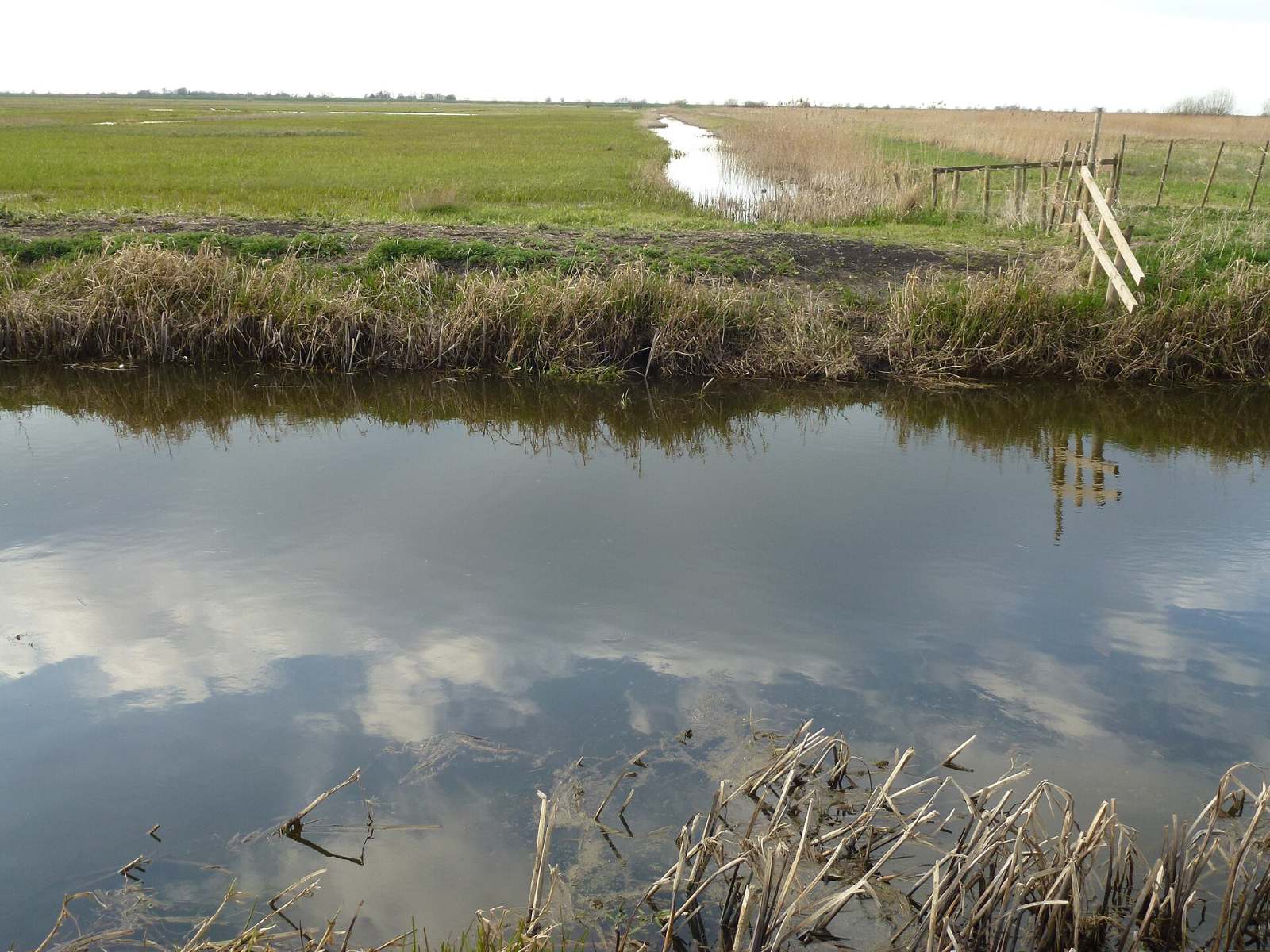
Eldernell is where the washes feel most open. You climb the bank from the car park and the whole floodplain spreads out in front of you, with the Nene somewhere in the far distance and Morton’s Leam running straight as a ruler alongside. There are no hides and no visitor centre, just the bank, the sheep and whatever birds turn up. Late afternoon in winter is the time for owls and harriers, and the low sun lights up the grass. It is a ten minute drive from Whittlesey, so pair it with a pint and lunch in town.
Chatteris Museum
Indoor activity
- A volunteer-run accredited museum in the former Barclays Bank building on Park Street, which it moved into in 2023
- New galleries opening through autumn and winter 2026 tell the story of the Great Fire of Chatteris in September 1864, which destroyed more than 100 cottages, houses and barns in Hive End
- Other new displays cover the town’s boot and shoe makers, long-gone Chatteris shops and farm tools, among them a carrot chopper and a fiddle drill
- Volunteers have rebuilt the model railway, which shows trains passing through Chatteris station and its docks in the 1950s and 1960s
- A large exhibition on the draining of the Fens looks at what the great schemes meant for Chatteris itself, with photographs, tools, documents and maps
- The museum opens Thursday from 2pm to 4pm and Saturday from 1pm to 4pm all year, plus Friday from 10am to 1pm between Good Friday and 31 October
- It is closed throughout January, and other times can be arranged by appointment
- Santa’s grotto is held at the museum on the evening of the Christmas lights switch on
Address: 2 Park Street, Chatteris PE16 6AE
Website: chatterismuseum.org.uk
Phone: 0333 327 0967
How to book: No booking needed; contact the museum to arrange group or out of hours visits
Chatteris Museum has grown a lot since it moved into the old bank, and the autumn 2026 galleries make it worth a return visit even if you have been before. The Great Fire is a story few people outside the town know, and it explains why parts of the centre look newer than you might expect. The model railway is a reminder that Chatteris once had its own station and docks, long before the line closed. Opening hours are short, so plan around a Thursday or Saturday afternoon. If the drainage story interests you, our Draining the Fens guide covers the wider Bedford Level.
Chatteris Christmas Lights and Tree Festival
Indoor and outdoor
- A volunteer-run Christmas lights display, established in 1985 and paid for by donations and lamp sponsorship, that lights up Chatteris town centre
- The 2026 switch on is on Saturday 28 November at 4:30pm, when Santa throws the switch with help from a child nominated by Cromwell Primary School
- The town centre fills from around 3pm with fairground rides, street entertainment and trader stalls
- Local groups and small businesses run festive stalls on Market Hill, and the Salvation Army holds a Christmas fayre
- Emmanuel Church runs a soup kitchen from mid afternoon, and the Fenland Music Centre ensemble plays outside St Peter and St Paul’s Church
- The church’s Christmas Tree Festival opens with an open house after the switch on, with trees decorated by community groups, live music, hot drinks and memory candles
- Supporters can sponsor a lamp in the display, with prices listed by the organisers from £5 to £20
- Santa’s grotto is at the museum, opposite the Bandstand Gardens, with proceeds going to local good causes
Where: Chatteris town centre, Market Hill and St Peter and St Paul’s Church (PE16 6BA)
Website: chatterischristmaslights.co.uk
How to book: No booking needed; free to attend
The lights night draws crowds out of all proportion to the size of the town. The whole thing is organised and paid for by people in the town, which gives it a warmth that bigger, council-run switch ons often lack. Come at about 3pm to catch the stalls and rides in daylight, then stay for the countdown. Afterwards, the church is worth a look for the tree festival, lit up against the dark. Parking fills quickly, so use the free Furrowfields Road or Church Lane car parks and walk in.
Seasonal Highlights
Spring: March holds its St George’s Fayre on Sunday 25 April 2027, and spring brings breeding lapwings, redshanks and snipe to the Ouse Washes, with garganey arriving from Africa.
Summer: Wisbech Rose Fair fills the town on a Saturday in late June (27 June in 2026), with two parades led by the Rose Queen. Chatteris holds its Midsummer Festival on 26 and 27 June 2027, and the gardens at Peckover are at their best for roses. Marsh harriers and hobbies hunt over the Nene Washes, and the Ship Inn’s riverside in March comes into its own on long evenings.
Autumn: The Fenland Food Festival took place at the Queen Mary Centre in Wisbech on Saturday 5 September 2026, and the Whittlesey Festival is next on Sunday 12 September 2027. Crane flocks build on the Ouse Washes from September, and cattle egrets roost near Eldernell. Chatteris Museum opens its new galleries through the autumn and winter of 2026.
Winter: Chatteris switches on its lights on Saturday 28 November 2026, March Christmas Market is on Sunday 6 December 2026 from 10am to 3pm, Christmas time at Peckover House runs from 5 to 13 December 2026, and the Wisbech Christmas Fayre is on Sunday 13 December 2026. The Straw Bear walks through Whittlesey on Saturday 16 January 2027, while the flooded washes fill with whooper swans and wigeon.
A Note From Inside Cambridge
The Fens reward people who slow down. None of these towns is trying to impress you, and that is exactly why a day spent walking the Brinks, lying on a church floor under the March angels or standing on a floodbank at dusk stays with you longer than a busier day out somewhere else.
Much of what keeps these places open is volunteer time, so opening days can change at short notice. If you find something has changed, or you think we have missed a Fenland favourite, please get in touch and we will update the guide.
Before You Go
- Many of the museums in this guide are run by volunteers and open only on two or three days a week, so check their websites on the morning you travel
- Wisbech has no railway station; March and Whittlesea stations are on the Ely to Peterborough line, and Chatteris has no station at all
- Fenland District Council’s town car parks in all four towns are free, though some close for markets, funfairs and Christmas events
- National Trust members get into Peckover House free, and RSPB membership supports both washes reserves
- The Ouse Washes and Nene Washes are designed to flood, so check GOV.UK flood warnings and road closures before driving across them between November and March
- Toilets are scarce on the washes: Eldernell has none, and the Ouse Washes block has no accessible toilet, with the nearest public toilets in March, about 11 miles away
- Bring binoculars for the reserves and for the angel roof at St Wendreda’s, where the carvings are a long way up
- Fen roads are long, straight and often edged by deep drains with no verge, so take care when pulling over to look at birds
- Phone signal can be patchy out on the washes, so download offline maps before you leave town